
Why Stress Kills Attraction - And What to Do About It
One of you is stressed. Suddenly the spark is gone, you're fighting over nothing, and you're both wondering what happened. Here's what's actually going on — and how to tell if it's a hard season or something deeper.
REAL TALKRELATIONSHIP DYNAMICSRED FLAGS & SIGNS WORTH TRUSTING
4/16/20264 min read
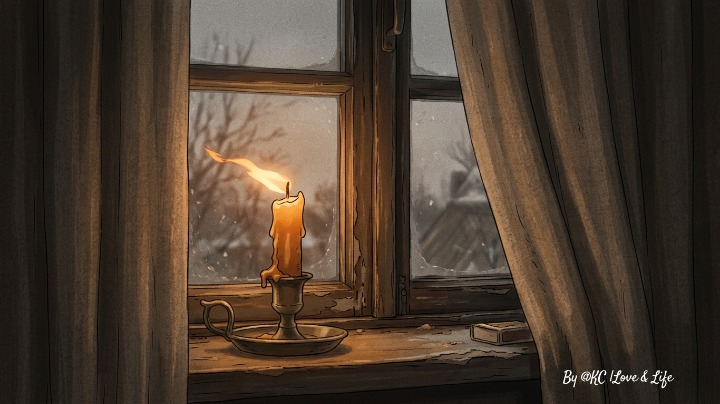

One of you is stressed. And suddenly the relationship feels different.
You're distant with each other. Irritable over things that wouldn't normally matter. The intimacy isn't there — not just physically, but in the smaller ways too. The easy conversation. The instinct to reach for each other. Something that used to feel natural now feels effortful, and neither of you quite knows why.
You start wondering: is something wrong with us?
Maybe not. Here's what's actually happening.
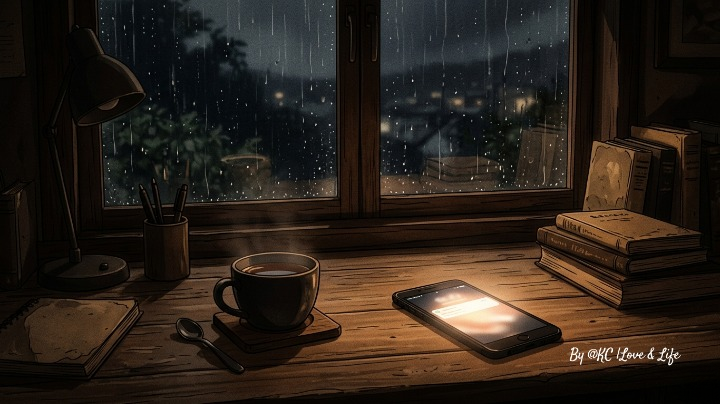

What Stress Actually Does to Your Body
When you're under chronic pressure — work, money, family, health — your body releases cortisol at levels it was never designed to sustain. And chronically elevated cortisol suppresses the hormones responsible for almost everything that makes a relationship feel alive: testosterone, oxytocin, dopamine, serotonin. Libido. Bonding. Pleasure. Mood.
In plain terms: when you're genuinely stressed, your body physiologically cannot feel attraction, connection, or desire the way it normally does. It's in survival mode. And survival mode has no bandwidth for intimacy — not because the love is gone, but because the nervous system has redirected every resource it has toward getting through whatever threat it's perceiving.
This is not a character flaw. It's biology. But understanding the biology doesn't make it less painful to live through.


Why He Pulls Away — and Why You Reach for Him
He gets quiet. Stops initiating. Seems emotionally unreachable. And your mind goes immediately to: did I do something wrong? Is he losing interest?
What's actually happening is that his cortisol is elevated, his nervous system is in fight-or-flight, and he cannot access his emotional or intimate side right now. The withdrawal isn't about you. It's his nervous system shutting down connection to deal with the threat it's registering.
You might do the opposite — seek more connection, need more reassurance, feel anxious when he's distant. He reads it as pressure. You're not being difficult. Your stress is activating your attachment system, and connection feels like safety to you.
This creates one of the most disorienting dynamics in a relationship: he pulls away to cope, you reach toward him to cope — and you're both doing exactly what your nervous systems are designed to do, in completely opposite directions. I've been on both sides of this. Neither side feels good. And neither person is wrong, exactly — they're just colliding.
The Difference Between a Hard Season and Something Deeper
This is the question that matters more than most people realize — and it's worth sitting with honestly.
It's a hard season if the relationship was genuinely good before the stressor arrived. If he can tell you, even briefly, what's happening for him. If the disconnection eases once the pressure passes, and if he's actually working to address what's causing it rather than just waiting for you to absorb it.
It becomes something deeper if the disconnection feels heavier than stress alone explains. If he won't communicate about it at all — not a delayed conversation, but a permanent wall. If the distance stays even after the stressor has gone. Or if stress has quietly become a standing explanation for why he can never quite show up.
Stress is real. It's valid. It's not a lifetime pass to neglect the relationship.


What to Do With It
If he's the stressed one: give him space — without making it mean something about you. "I can see you're going through something. I'm here when you're ready." Then actually give it. Don't chase. Don't interpret distance as evidence that he doesn't love you. And if it goes on, a gentle check-in is reasonable: "I know you need space — can we connect Friday just to talk about how you're doing?"
If you're the stressed one: communicate before you disappear. "I'm really stressed about work right now. I might seem distant — it's not about you. I just need a few days." That one sentence prevents so much unnecessary pain. It's completely acceptable to be stressed. It's not acceptable to make your partner absorb it without any context, indefinitely, while they try to figure out what they did wrong.
And if stress has become a permanent explanation — if there's always something, always a reason he can't show up, and the season never quite ends — that's a pattern. Not a rough patch. And the honest question to ask yourself is whether you can live like this long-term.
Only you can answer that. But you deserve to ask it.
If what you had before was real, it will likely find its way back once the pressure lifts. That's worth holding onto when things feel hard.
But you are not required to wait indefinitely for someone to become available to you.
This is KC — from Love & Life. 💜