
When Your Happiness Lives in Someone Else's Hands: Breaking Free from Emotional Dependency
Your phone buzzes and your entire mood shifts. He texted back - relief floods through you. But when hours pass with no response, anxiety creeps in and suddenly your whole day feels off. You know this pattern isn't healthy, but you don't know how to break it. Here's what nobody tells you about emotional dependency: it's not about loving someone too much - it's about not knowing how to be okay without them. And that difference changes everything. In this post, we're going to talk about what emotional dependency really is, how it quietly steals your sense of self, and most importantly, how to build a life where your happiness isn't hostage to someone else's presence.
THE SELF-LOVE SERIES 💖LOVE LESSONS 📚
KC
1/9/2025
The Difference Between Love and Need
Let me tell you something I had to learn the hard way.
There's a world of difference between loving someone and needing them to feel okay.
Love is a choice. It's saying "I want you in my life because you add to it." Need is desperation. It's "I need you in my life because without you, I don't know who I am."
Love feels secure. Need feels anxious.
Love gives. Need takes.
Love is you standing on solid ground, reaching out your hand to walk alongside someone. Need is you drowning, grabbing onto someone and pulling them under with you.
Emotional dependency isn't love. It's fear disguised as devotion.
And the hardest part? We often don't realize we're emotionally dependent until we're already deep in it. Until we've reorganized our entire lives around someone else's schedule, moods, and availability. Until we've lost track of who we were before them.
So let's talk about what this actually looks like - because awareness is the first step to freedom.
2. You've Stopped Doing Things You Used to Love
Remember when you had hobbies? When you spent weekends with friends, pursued interests, had a life that was entirely yours?
Now? Your schedule revolves around their availability. You've canceled plans because they might want to see you. You've lost touch with friends because you prioritized time with them above everything else. Your hobbies have gathered dust because you'd rather spend every free moment with them - or waiting for them to be free.
What this reveals: You've made someone else the center of your universe, and in doing so, you've dimmed your own light. You've stopped being a whole person and become a satellite orbiting someone else's life.

3. The Thought of Being Alone Terrifies You
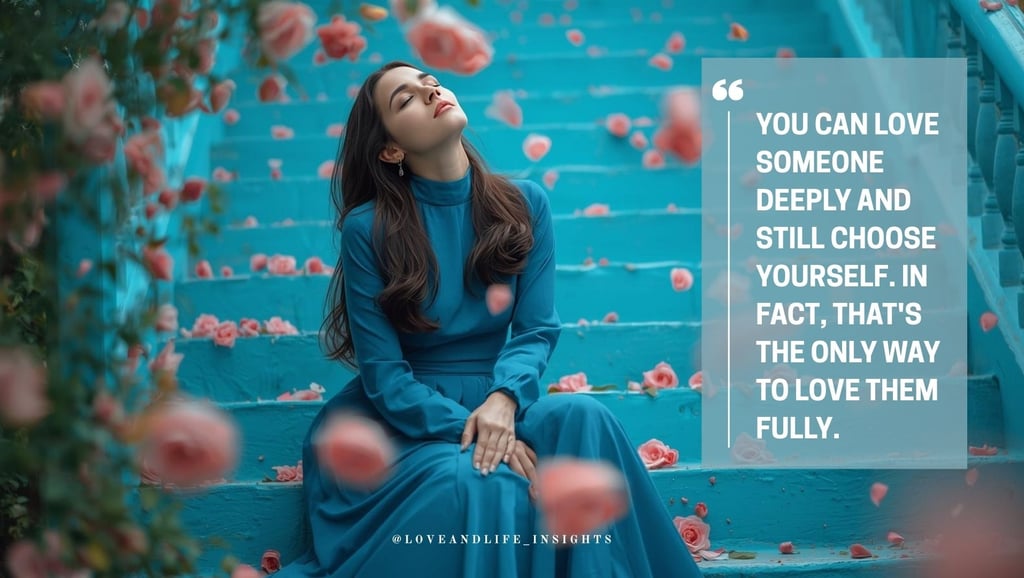
You know the relationship isn't healthy. You know you're not being treated the way you deserve. But the thought of leaving, of being alone, feels worse than staying.
You tell yourself: "At least I have someone." "At least I'm not alone." "I don't know who I'd be without them."
What this reveals: You've convinced yourself that being with the wrong person is better than being with yourself. That you need someone - anyone - to feel complete. That your worth is tied to being chosen, even if that choice comes with pain.
4. You're Constantly Seeking Reassurance
"Do you still love me?" "Are we okay?" "Did I do something wrong?"
You need constant confirmation that you're wanted, valued, loved. Because deep down, you don't believe you are. So you look for external validation to fill the void where your self-worth should be.
What this reveals: You don't trust yourself or the relationship. You're constantly monitoring, checking, analyzing - because emotionally dependent people live in a state of perpetual insecurity.
Why This Happens (And Why It's Not Your Fault)
Emotional dependency doesn't develop because you're weak or broken or "too much."
It develops because at some point, you learned that your value comes from being needed. That love is something you have to earn by being helpful, accommodating, always available. That your worth is tied to how much someone else wants you.
Maybe you grew up in an environment where love felt conditional. Where attention had to be won. Where your needs were dismissed but taking care of others was praised.
Maybe you've been hurt before - abandoned, rejected, betrayed. And now you hold on too tight to anyone who shows you attention because you're terrified of losing them too.
Maybe you simply never learned that you're allowed to be whole on your own. That your happiness is your responsibility, not something someone else gives you.
Understanding where this pattern comes from doesn't excuse it - but it does help you have compassion for yourself as you work to change it.
Because here's the truth: emotional dependency hurts everyone involved.
It hurts you because you're living in constant anxiety, always monitoring, always afraid. You've made your emotional well-being dependent on variables you can't control - someone else's feelings, attention, choices.
And it hurts the relationship because no one wants to be responsible for someone else's entire emotional state. That's not intimacy - it's pressure. It's exhausting. It pushes people away even when they care about you.
The Signs You've Lost Yourself
1. Your Mood Is Controlled by Their Attention
You wake up and immediately check your phone. Did he text? If yes, your day starts well. If no, there's a knot in your stomach before you've even gotten out of bed.
His responses dictate your emotional state. When he's responsive and affectionate, you're on top of the world. When he's distant or slow to reply, you're anxious, overthinking, wondering what you did wrong.
What this reveals: You've given someone else the remote control to your emotional state. Your happiness, your peace, your sense of security - all dependent on how much attention they give you on any given day.
5. You've Made Their Problems Your Problems
Their stress is your stress. Their bad day becomes your bad day. Their problems become your problems to solve.
You're not just supportive - you're enmeshed. You can't distinguish where they end and you begin. Their emotional state determines yours. Their needs always come before your own.
What this reveals: You've lost your boundaries. You've become so focused on managing their emotions and meeting their needs that you've forgotten you're a separate person with your own needs that matter just as much.
What Emotional Independence Actually Looks Like
Emotional independence doesn't mean you don't need anyone. It doesn't mean you become cold, detached, or self-sufficient to the point of isolation.
Emotional independence means you're okay on your own, and that's what makes you capable of real connection.
It means:
You have a life outside the relationship. You have friends, hobbies, goals, interests that are entirely yours. Your partner adds to your life - they're not your entire life.
Your mood isn't dictated by their attention. Yes, you're happy when they text. But your entire emotional state doesn't hinge on whether they respond within five minutes or five hours.
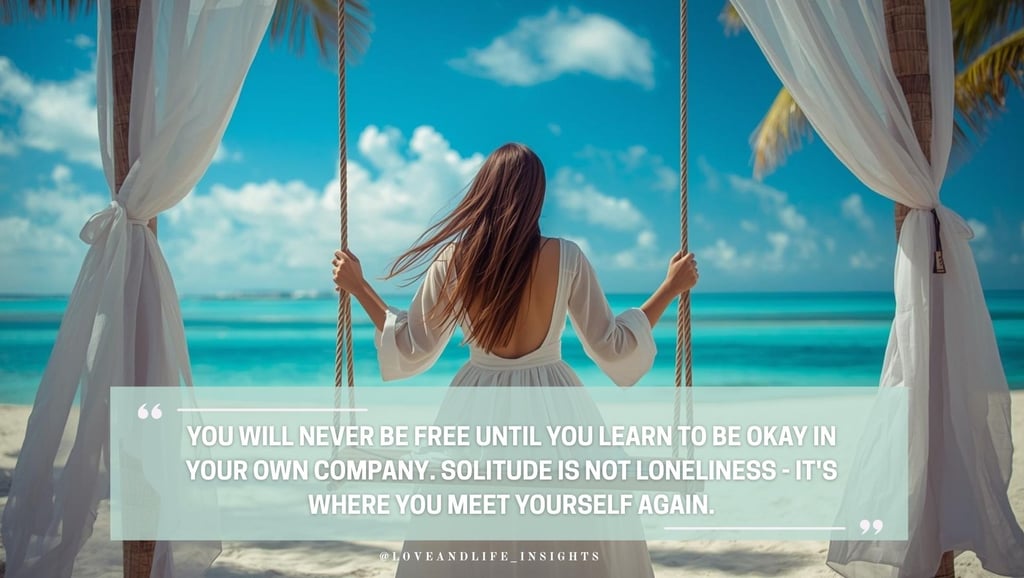
You can be alone without feeling lonely. Solitude doesn't terrify you. You actually enjoy your own company. You know how to sit with yourself without immediately reaching for distractions.
You communicate your needs directly instead of hoping they'll read your mind. You don't expect your partner to manage your emotions or anticipate your every need. You take responsibility for asking for what you want.
You maintain your boundaries. You can say no. You can have separate plans. You can prioritize yourself sometimes without feeling guilty.
You know you'd be okay if the relationship ended. Not that you want it to end. But you trust that if it did, you would survive. You would rebuild. You would still be you.
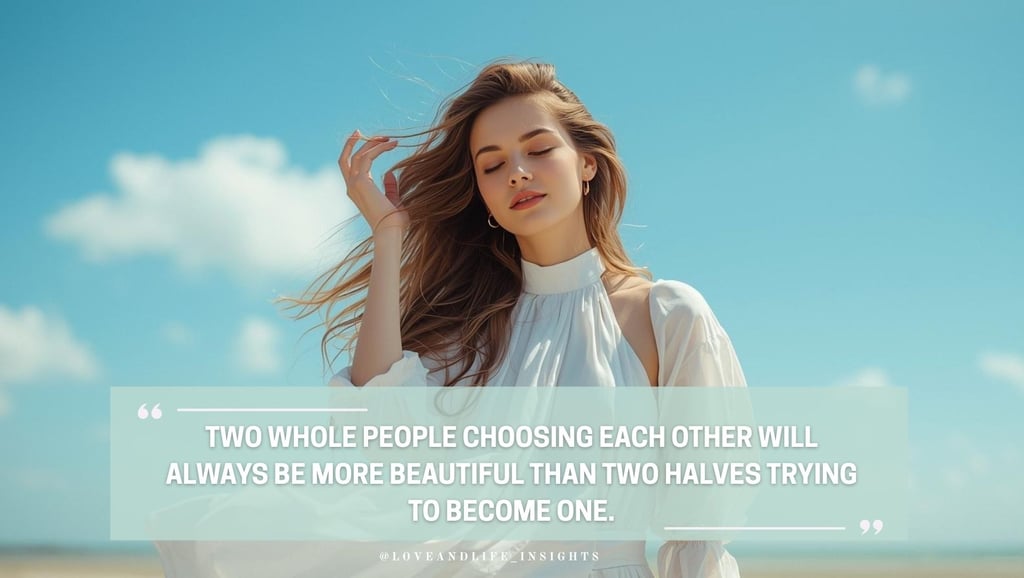
This is what healthy love looks like. Two whole people choosing to share their lives - not two halves desperately clinging to each other hoping to feel complete.
How to Build Emotional Independence
I'm not going to lie to you: breaking free from emotional dependency is hard.
It requires you to sit with discomfort. To resist old patterns. To choose yourself even when it feels scary.
But it's also the most liberating thing you'll ever do. Because on the other side of this work is a version of you who feels secure, grounded, whole - with or without a partner.
Here's where to start:
Rebuild Your Relationship with Solitude
Start spending time alone. Not scrolling through your phone waiting for texts. Not filling every quiet moment with distractions. Actually being present with yourself.
This will feel uncomfortable at first. Your instinct will be to reach out, to fill the silence, to seek connection. Resist.
Practice sitting with yourself. Journal. Go for walks without your phone. Try a new hobby. Read. Create something. Just be.
The goal is to prove to yourself that you can be okay alone. That your own company is valuable. That silence doesn't have to be filled.
Reconnect with What You've Lost
Remember who you were before you became consumed by this relationship? The version of you with passions, friendships, dreams that had nothing to do with someone else?
That person still exists. You've just buried them under your need to be needed.
Start small: Reach out to a friend you've neglected. Pick up that hobby you abandoned. Say yes to plans that don't involve your partner.
At first, you might feel guilty. Like you're choosing yourself over them. But here's the truth - you're not choosing yourself over them. You're choosing yourself in addition to them. And that's healthy.
Stop Making Their Emotions Your Responsibility
Your partner is allowed to have bad days, stress, problems - and none of that is your job to fix.
You can be supportive without being enmeshed. You can care without carrying.
Practice saying: "I'm sorry you're dealing with that. How can I support you?" Instead of immediately trying to solve, fix, or absorb their emotional state.
And crucially - stop making your emotions their responsibility too. Your happiness is not their job. Your security is not their job. Your sense of worth is not their job.
Those things? They're yours to build.
Build Your Own Happiness Portfolio
Your happiness should come from multiple sources - not just one person.
Think of it like an investment portfolio. You wouldn't put all your money in one stock because if it crashes, you lose everything. Same with emotional investment.
Diversify your sources of joy:
Friendships that fill your cup
Work or projects that give you purpose
Hobbies that bring you flow
Self-care practices that ground you
Solo activities you genuinely enjoy
When your happiness comes from multiple places, losing one source doesn't devastate you. You have other pillars holding you up.

What Changes When You Break Free
Here's what I want you to know about the other side of emotional dependency.
When you do this work - when you build a life that's full and meaningful on its own - everything changes.
Your relationships get better. Because you're no longer coming from a place of desperation. You're no longer putting pressure on someone to be your entire source of happiness. You're offering connection instead of need.
You stop attracting the wrong people. When you're emotionally dependent, you attract people who want someone to manage or control. When you're emotionally independent, you attract people who want an equal partner.
You can finally trust yourself. Because you know that no matter what happens - if they leave, if it doesn't work out - you'll be okay. You've proven to yourself that you can survive, rebuild, and thrive on your own.
You experience real intimacy for the first time. Because intimacy requires two whole people choosing each other, not two halves desperately trying to become whole.
This is what love is supposed to feel like. Not anxious. Not desperate. Not suffocating.
Secure. Grounded. Free.
Closing
If you're reading this and recognizing yourself in these patterns, I know how it feels.
I know the shame of realizing you've made someone else the center of your universe. The fear of what happens if you try to reclaim your independence. The guilt of prioritizing yourself when you've spent so long making them your priority.
But I also know this: you are capable of more than you think.
You are capable of building a life that feels full even when you're alone. You are capable of loving someone without losing yourself. You are capable of being okay on your own - and that's what makes you capable of real connection.
Breaking free from emotional dependency isn't about loving someone less. It's about loving yourself more. It's about refusing to shrink your world down to one person because you're afraid of being alone.
It's about building a life so beautiful, so fulfilling, so authentically yours that a relationship becomes an addition to it - not the foundation of it.
You don't need someone to complete you. You're already complete. You just forgot.
So start small. Take yourself on that solo date. Reconnect with friends. Pick up that hobby. Build your happiness from multiple sources.
Because the most attractive thing you can be is someone who doesn't need a relationship to feel whole. Someone who wants connection but doesn't need it to survive.
That's the version of you that will attract real love. The kind that adds to your life instead of consuming it.
This is KC - from Love & Life. ✨
💡 Quick Tool: If you're struggling to figure out who genuinely adds to your happiness portfolio vs. who drains it, grab the Connection Tracker from our free Resource Library. It helps you objectively track patterns in your relationships so you can see clearly who deserves your energy.
Your Path to Emotional Independence Starts Here
I know what you're thinking right now.
"This all sounds great. But where do I actually start?"
Breaking free from emotional dependency isn't about reading one article and magically feeling different. It's about showing up for yourself, day after day, until new patterns replace old ones.
Here's the good news: you don't have to figure this out alone.
💜 Free Tools to Help You Break Free
I've created a collection of practical tools to help you rebuild your relationship with yourself - starting with two workbooks designed specifically for this journey:
💕 The 7-Day Self-Love Challenge
Seven days of guided exercises to help you reconnect with yourself. Daily prompts, reflection questions, and small actions that prove you can be your own source of happiness.
🛡️ The Boundaries Workbook
Learn how to stop carrying other people's emotions and start protecting your peace. Includes scripts for difficult conversations, boundary-setting exercises, and real examples you can use immediately.
These aren't generic worksheets. They're structured roadmaps created from years of learning what actually works when you're trying to break patterns of emotional dependency.
Subscribe to Get Free Access →
✨ No fluff. No generic advice. Just practical tools to help you build a life where your happiness isn't hostage to someone else's attention.
Ready to go deeper?
If this resonated with you, you might also want to read:
👉The Magnetic Woman: Drawing Successful Men Through Self-Development
A deep dive into how becoming the best version of yourself naturally attracts high-quality men who match your energy - without chasing, pretending, or losing yourself in the process.