
Understanding Infidelity: The Truth Behind Betrayal and How to Heal
There's a moment that changes everything - when a text, a confession, or a gut feeling confirms what you feared most: the person you trusted has been unfaithful. In that instant, the ground disappears beneath your feet. If you're trying to understand why this happened, whether it was somehow your fault, or what to do next, I need you to hear this: you're not alone in this confusion, and the answers aren't as simple as we've been told. Today, we're clearing away the myths that keep us stuck in shame, exploring why people really cheat, and mapping the path to genuine healing - whether you stay or go.
2/20/2026

There's a moment that thousands of people experience every day, though most never talk about it. It's the moment when everything shifts - when a text message, a phone call, a confession, or a gut feeling that won't go away confirms what you feared most: the person you trusted has been unfaithful. In that instant, the ground beneath your feet disappears. Questions flood in: How long? Why? Was any of it real? Am I enough?
That's what infidelity does - it creates an emotional earthquake that shifts everything you thought you knew about love, trust, and the person you chose to build a life with.
If you've experienced betrayal, or if you're trying to understand why someone you love would risk everything, I want you to know something: you're not alone in this confusion, and the answers aren't as simple as we've been told.
Let's start by clearing away the myths that keep us stuck in shame, blame, and misunderstanding. Because here's the truth - most of what we believe about infidelity is based on tired stereotypes that don't help anyone heal or grow.
The Myths We Need to Stop Believing
Myth #1: "Cheating is just a man thing."
This one needs to be retired immediately. Both men and women can be unfaithful, and the pain of betrayal doesn't care about gender. Women cheat. Men cheat. The statistics might vary slightly, but the capacity for both deep loyalty and devastating betrayal exists in all of us. When we paint infidelity as exclusively male behavior, we miss the deeper truths about why it happens and how to prevent it.
Myth #2: "Once a cheater, always a cheater."
I've seen people who made terrible mistakes in their twenties build rock-solid, faithful relationships a decade later. I've also seen people repeat patterns their entire lives. The difference? Self-awareness, genuine remorse, and the willingness to do the hard work of understanding why they strayed in the first place. People can change - but only if they truly want to and commit to that transformation.
Myth #3: "The honeymoon phase fading means cheating becomes inevitable."
Let me be clear: your relationship losing that initial spark is normal. Using it as an excuse for infidelity is not. Yes, work gets busy. Yes, Netflix and takeout replace candlelit dinners. Yes, life gets in the way. But mature love - the kind that lasts - is built on something deeper than butterflies and constant excitement. The couples who make it aren't the ones who never face boredom; they're the ones who choose to reignite the flame instead of seeking it elsewhere.
Myth #4: "If you really loved me, you wouldn't have cheated."
This is where it gets complicated, and I need you to hear me carefully. Infidelity often has very little to do with how much someone loves you and everything to do with their own unmet needs, poor communication skills, or unresolved wounds. I'm not excusing the behavior - betrayal is never justified - but understanding this can free you from the torturous belief that you somehow weren't enough.
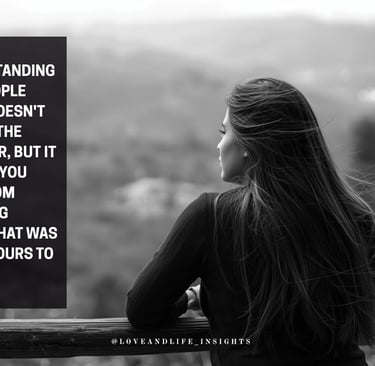
The truth is this: understanding why people cheat doesn't excuse the behavior, but it can set you free from carrying blame that was never yours to carry. It can help you heal. It can help you build something stronger - whether that's with the same person after genuine work, or with someone new when you're ready.
So let's move past the stereotypes and look at what's really happening when trust is broken.



Why People Really Cheat (Beyond the Stereotypes)
If we're going to understand infidelity, we need to go deeper than "they couldn't keep it in their pants" or "men are just wired that way." These oversimplified explanations might make us feel better temporarily, but they don't help us heal or protect our hearts in the future.
The truth is far more complex - and far more human.
The Silent Killer: Communication Breakdown
Here's what I've learned from countless conversations with people on both sides of betrayal: infidelity rarely starts in a bedroom. It starts in the quiet moments when someone feels unseen, unheard, or disconnected - and instead of speaking up, they retreat into silence.
Many people, especially men who were taught that vulnerability equals weakness, bottle up their emotions until the pressure becomes unbearable. They feel lonely in their own relationship but don't know how to say it. They crave emotional intimacy but haven't learned the language to ask for it. So they drift. They isolate. And sometimes, they find someone who seems to understand them without all that scary emotional work.
But women aren't immune to this pattern either. When we feel neglected, when our attempts at connection are repeatedly dismissed, when we're carrying the entire emotional load of the relationship - we can also reach a breaking point where someone else's attention feels like oxygen after drowning.
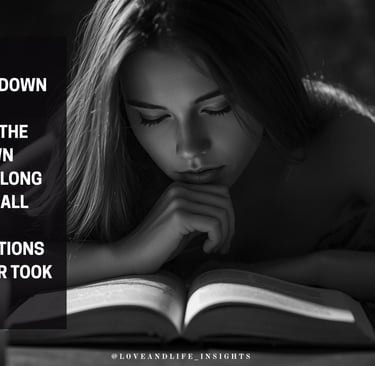
The breakdown isn't the cheating. The breakdown happened long before, in all the conversations that never took place.
Chasing the High vs. Facing What's Missing
Some people cheat because they're addicted to the rush of new romance - that intoxicating phase where everything feels electric and effortless. They're not necessarily looking to replace their partner; they're chasing a feeling. When the initial spark in their committed relationship fades into comfortable familiarity, instead of learning to cultivate deeper intimacy, they seek that dopamine hit elsewhere.
But there's a difference between someone who habitually chases novelty and someone who strays because something fundamental is missing in their relationship. One is a character issue that requires serious self-work. The other is a relationship issue that, while still inexcusable in its execution, points to deeper problems that both partners may have ignored.
Neither justifies betrayal. But understanding the difference matters for healing and moving forward.
Seeking Connection vs. Avoiding Problems
I want to share something that might be hard to hear: sometimes people cheat not because they don't love their partner, but because they don't know how to fix what's broken between them. Instead of having the difficult conversation about feeling sexually neglected, emotionally distant, or fundamentally incompatible in some way, they seek temporary relief elsewhere.
It's the coward's way out, yes. But it's also achingly human.
Some affairs are about seeking what's missing: emotional validation, physical affection, feeling desired, being truly seen. Others are about escaping what's present: conflict, pressure, expectations, the weight of being the person their partner needs them to be.
The Universal Truth
Here's what we need to remember: the capacity for betrayal doesn't belong to one gender, one personality type, or one set of circumstances. Good people make devastating choices. Loyal people sometimes break promises. Love doesn't automatically prevent infidelity - conscious choice, strong boundaries, and consistent communication do.
The person who cheats isn't always a villain, and the person who was betrayed isn't always a victim who did everything right. Most situations are messy, complicated, and filled with two imperfect people who lost their way.
Understanding this doesn't mean excusing betrayal. It means accepting that if we want to heal - or protect future relationships - we need to look at the whole picture, not just the easy explanations.



The Ripple Effect: What Infidelity Actually Does
Infidelity isn't a plot twist in a drama series that gets resolved in an hour. It's an emotional earthquake whose aftershocks can last for years, affecting not just the couple involved but everyone in their orbit.
The Immediate Devastation
When betrayal is discovered, both partners enter a kind of emotional free fall - though they might express it in completely different ways.
The person who was betrayed often experiences a trauma response: racing thoughts, inability to sleep, obsessive need to know every detail, physical symptoms like nausea or chest pain. Trust doesn't just break - it shatters into a thousand pieces, and each piece cuts on the way down. Suddenly, every memory is suspect. Was that business trip real? Were they thinking of the other person when they said "I love you"? How many lies have I been living in?
But here's something we rarely talk about: the person who cheated is often drowning too. Guilt, shame, fear of loss, and the terrible realization of the pain they've caused can be overwhelming. Some become defensive, minimizing what happened to protect their own psyche. Others collapse under the weight of remorse. Neither response helps the healing process, but both are deeply human reactions to facing what you've done.
When the Shockwaves Spread
Infidelity never affects just two people. It ripples outward in ways we don't always see immediately.
Children sense when something is terribly wrong, even if no one tells them the details. They feel the tension, the crying behind closed doors, the way their parents can barely look at each other. Friends and family members are forced to take sides or navigate the awkward middle ground of supporting both people they love. Extended family gatherings become minefields of unspoken pain.
And then there's the third person - the one who became entangled in someone else's committed relationship. Whether they knew about the commitment or discovered it later, they're caught in an impossible situation too, often experiencing their own flavor of betrayal and heartbreak. The emotional fallout extends to them and everyone connected to them as well.
The particular pain of being the other person, and the difficult journey of recognizing your worth beyond that role, deserves its own conversation. Understanding those dynamics can be part of the healing process for everyone involved.
The Long-Term Impact
Even after the initial crisis passes, infidelity changes people. Some become hypervigilant, checking phones and questioning every late night at work. Others build walls so high that genuine intimacy becomes nearly impossible, even in future relationships with completely different partners.
Trust, once broken, doesn't simply regenerate. It has to be painstakingly rebuilt, brick by brick, choice by choice, truth by truth. And sometimes, no matter how much effort both people put in, the foundation is too damaged to support the weight of a rebuilt relationship.
The thing about earthquakes is this: some structures can be reinforced and made stronger than before. Others need to be carefully deconstructed so something new and solid can be built in their place.
Both paths require courage. Both paths are valid. The key is being honest about which path you're actually on, rather than pretending broken ground is solid when it's still crumbling beneath your feet.
If You've Been Betrayed: The Path to Healing
If you're reading this with a broken heart and shattered trust, I need you to know something before we go any further: what happened to you was not your fault. You didn't cause someone else to make the choice to betray you. You are not responsible for their actions, no matter what gaps existed in your relationship.
Now let's talk about the hard, messy, non-linear journey of healing.
First, Feel Everything
There's no "right" way to respond to betrayal. You might rage. You might go numb. You might swing between wanting to leave immediately and desperately wanting to make it work. You might feel all of these things in the span of a single hour.
Let yourself feel it all. The anger that makes you want to scream. The sadness that comes in waves so powerful you can barely breathe. The humiliation. The confusion. The moments when you hate them, and the moments when you still love them so much it physically hurts.
Healing doesn't begin with forgiveness or understanding. It begins with allowing yourself to acknowledge the full weight of what's been done.
Write it down. Talk to someone you trust who won't judge you for the messiness of your emotions. Cry in the shower. Scream into a pillow. Whatever you need to do to process the tsunami of feelings - do it. Bottling it up only prolongs the pain.



The Choice Only You Can Make
At some point, you'll face the question that no one else can answer for you: Do I try to rebuild this relationship, or do I release it?
There's no universal right answer. Some relationships become stronger after infidelity - not because of it, but because both people do the profound work required to address what was broken and build something more honest and resilient. Other relationships, no matter how much love still exists, have sustained damage too deep to repair.
Here's what rebuilding actually requires, and it's far more than most people realize:
The person who betrayed you must:
Take full responsibility without minimizing or blame-shifting
End all contact with the other person completely
Be willing to be fully transparent (not as punishment, but as rebuilding trust)
Do their own work to understand why they made this choice
Show up consistently, even when it's uncomfortable, for as long as it takes
Accept that your healing timeline is not something they get to rush
You must:
Be willing to eventually stop using the betrayal as a weapon in every argument
Commit to the hard work of rebuilding trust without living in permanent surveillance mode
Be honest with yourself about whether you can truly move forward or if resentment will poison everything
Allow yourself to heal at your own pace, without pressure to "get over it"
If either person can't commit to this level of work, it's better to acknowledge that truth early than to spend years in a relationship haunted by ghosts.
When You Need Professional Help
Some wounds are too deep to heal without professional guidance. If you're experiencing any of these, please consider therapy:
Intrusive thoughts that won't stop
Inability to function in daily life weeks or months after discovery
Suicidal thoughts or self-harm impulses
Patterns of checking, questioning, and surveillance that are taking over your life
Inability to trust anyone, even people who haven't betrayed you
Feeling stuck in the same place emotionally for an extended period
A skilled therapist who specializes in infidelity and trauma can provide tools and perspective that friends and family simply can't offer. This isn't a sign of weakness - it's a sign of wisdom.
The Timeline No One Talks About
Healing from betrayal doesn't follow a neat timeline. You won't feel progressively better each day. Some days you'll feel strong and clear-headed. Other days, something small will trigger you and you'll feel like you're back at day one.
This is normal. Healing is not linear. It's a spiral - you might revisit the same emotions multiple times, but hopefully at deeper levels of understanding and integration each time.
Be patient with yourself. You're not failing at healing just because it's taking longer than you thought it would.
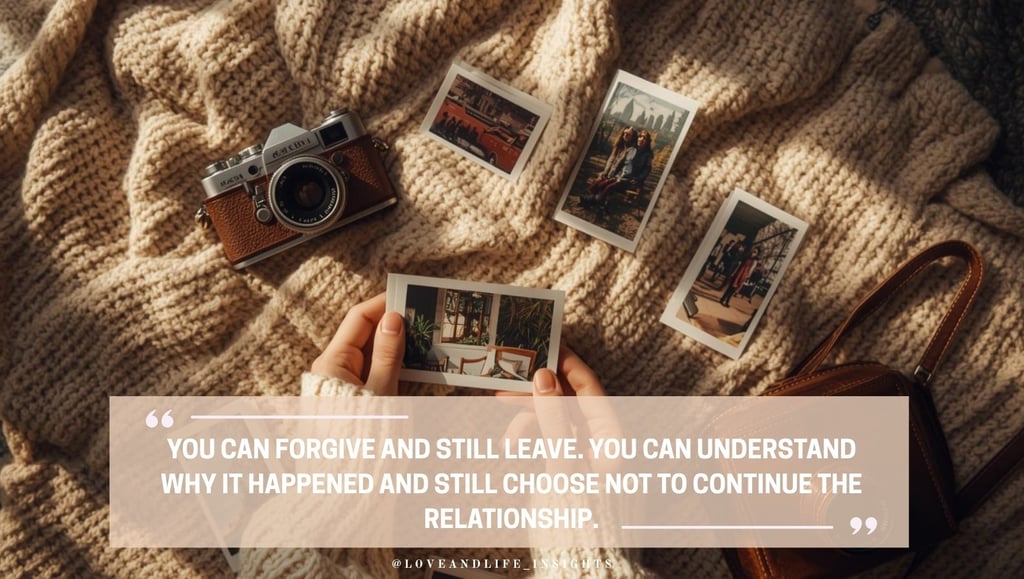
And here's the truth that might be hardest to accept: you can do everything "right" and still decide you can't stay. You can forgive and still leave. You can understand why it happened and still choose not to continue the relationship. Your healing doesn't require you to stay. Sometimes healing requires you to have the courage to walk away.
Whatever you choose, make sure it's honoring your truth, not just your fear or your hope.

Building Affair-Proof Foundations
(Whether Starting Over or Starting Fresh)
Whether you're rebuilding after betrayal or protecting a relationship that hasn't faced this particular storm, the truth remains the same: strong relationships don't happen by accident. They're built intentionally, one choice at a time.
Let me be clear about what affair-proofing is not: it's not about monitoring your partner's phone, tracking their location, or creating an environment of suspicion and control. Those behaviors might catch betrayal, but they won't prevent it. In fact, they often create the very distance and resentment that can lead people to seek connection elsewhere.
Real protection comes from something far more powerful: genuine connection, open communication, and boundaries that honor both people's needs.
Connection: The Foundation of Everything
Think of your relationship as a living thing that needs consistent nourishment. You can't water a plant once and expect it to thrive for months. The same is true for emotional connection.
Regular, intentional time together isn't a luxury - it's a necessity. And I'm not talking about sitting on the couch scrolling your phones while Netflix plays in the background. I'm talking about real presence. Conversations where you actually look at each other. Date nights where you remember why you chose this person. Moments of playfulness and laughter that remind you you're partners, not just roommates managing a life together.
When life gets busy - and it will - connection is often the first thing we sacrifice. We tell ourselves we'll prioritize it "when things calm down," but things rarely calm down on their own. You have to create that space deliberately, even when it feels inconvenient.
The couples who stay connected aren't the ones who never get busy. They're the ones who protect their connection even when everything else is demanding their attention.
Communication: Beyond "How Was Your Day?"
Surface-level communication creates surface-level relationships. If you want depth and resilience, you need to go deeper.
This means checking in about more than logistics and schedules. It means asking questions like:
"How are you feeling about us lately?"
"Is there anything you need from me that you're not getting?"
"What's been weighing on you that you haven't told me about?"
It means creating space for difficult conversations before they become crises. It means being brave enough to say "I'm feeling disconnected from you" instead of silently drifting apart. It means listening - really listening - even when what you hear is uncomfortable.
Here's something crucial: people don't usually wake up one day and decide to cheat. They drift there slowly, through a thousand small moments of disconnection. Consistent, honest communication catches that drift early, when it's still easy to course-correct.
Boundaries: The Unsexy Protector
Boundaries in relationships aren't about restriction - they're about clarity and respect. They're the agreements that keep everyone feeling safe, valued, and honored.
This looks different for every couple, but some common boundaries include:
Transparency about friendships with people you're attracted to
Agreements about what constitutes emotional or physical infidelity
Clear expectations about communication when apart
Honoring each other's comfort levels with certain situations or people
The key is that these boundaries are discussed openly, agreed upon mutually, and respected consistently - not imposed as rules by one partner or ignored when they become inconvenient.
Keeping the Flame Alive Takes Intention
Remember how you pursued each other in the beginning? The texts just to say you were thinking of them. The effort you put into date nights. The curiosity about their thoughts and dreams. The physical affection that wasn't always a precursor to sex.
Somewhere along the way, many couples stop doing these things. Not because they stop loving each other, but because they assume love is enough on its own. It's not. Love is the foundation, but intention is what keeps the house standing.
This means:
Continuing to date your partner even after years together
Expressing appreciation regularly, not just during arguments when you're defending yourself
Initiating physical affection - holding hands, unexpected hugs, kisses that linger
Staying curious about who they're becoming, not just who they were when you met
Making your relationship a priority, not something you get to "after everything else is done"


Trust as an Active Practice
Here's the thing about trust: it's not a switch you flip once and forget about. It's something you tend to daily through your actions, your honesty, and your follow-through.
Trust is built when you say you'll be home at six and you're home at six - or you text if you're running late. It's built when you're transparent about a conversation with an ex instead of hiding it. It's built when you consistently show up as the person you promised to be.
Trust isn't about being perfect. It's about being honest, consistent, and accountable.
And if you've broken trust, rebuilding it requires more than apologies. It requires changed behavior over time. It requires patience with your partner's need for reassurance. It requires proving through actions - not just words - that you're a safe person to trust again.
The Three Pillars of Lasting Relationships: Building Deeper Connections Through Trust, Respect, and Dialogue
The Truth About Prevention
Can you do all of these things and still be betrayed? Yes. Because ultimately, you can't control another person's choices. What you can control is whether you're building the kind of relationship where betrayal becomes far less likely - not because of fear or surveillance, but because both people feel seen, valued, connected, and committed to protecting what you've built together.
Strong foundations don't guarantee a relationship will never face storms. But they dramatically increase the chances that when storms come, you'll weather them together rather than being torn apart.
Your Next Steps: Moving Forward With Intention
Here's what I know: healing from betrayal - or protecting your relationship from it - isn't something you can rush through in three easy steps. This is deep work that deserves thoughtful, ongoing attention.
If you're healing from betrayal right now, you need space and structure to process what's happened without pressure to decide immediately. You need to track patterns over time, not just react to promises made in the heat of crisis. You need tools that meet you in the fog of trauma and guide you toward clarity at your own pace.
If you're working to strengthen your relationship, you need a clear framework to assess where you are, identify what needs attention, and create actionable steps that actually build the connection and trust you're seeking.
That's why I've created a comprehensive guide and worksheet specifically for this journey. It's not a quick-fix checklist - it's a structured framework that walks with you through every stage, whether you're processing betrayal, making the stay-or-go decision, or building affair-proof foundations in your relationship.
The guide includes:
A trauma-informed framework for processing emotions without pressure to forgive or decide immediately
Decision-making questions to assess "Can I stay?" vs "Should I leave?" when you're ready
A tracking system to observe genuine change over time (not just immediate promises)
Red flags for when professional help is urgent
Self-care practices specifically for betrayal trauma responses
Boundary-setting tools for rebuilding trust or starting fresh
Connection-building exercises for affair-proofing your relationship
[Download your free Healing from Betrayal Decision-Making & Recovery Guide here.]
Use it at your own pace. Come back to it as many times as you need. This is your roadmap, not a race.
If you're reading this while your heart is broken, I want you to know: you will survive this. The pain that feels unbearable right now will not always feel this way. You are stronger than you know, and you deserve a love that honors your worth - whether that's a rebuilt relationship or a new chapter entirely.
If you're reading this to understand or protect your relationship, remember: the couples who make it aren't perfect - they're intentional. They choose each other daily, they communicate even when it's hard, and they tend to their connection like the precious thing it is.
Infidelity doesn't have to be inevitable. Healing doesn't have to be impossible. Understanding doesn't mean excusing, and forgiveness doesn't require you to stay.
Whatever path you're on right now, walk it with your head held high, knowing you deserve wholeness, honesty, and a love that feels safe.
This is KC - from Love & Life. ✨


Wherever you are in this journey - still in shock, trying to decide whether to stay or go, or slowly rebuilding yourself - you don't have to figure it out alone.
The Love & Life Resource Library has free tools designed for exactly this: processing betrayal at your own pace, setting boundaries that protect your heart, and finding clarity when everything feels foggy.
Access the Free Resource Library →
✨ You've already done something brave today - you faced the truth. The next step is giving yourself the support you deserve.