
7 Financial Red Flags to Catch Before You're Too Invested
Money is one of the top reasons relationships fail. Not because you're materialistic — but because financial compatibility is life compatibility. Here's what to watch for early, before it costs you more than time.
REAL TALK
5/6/20264 min read
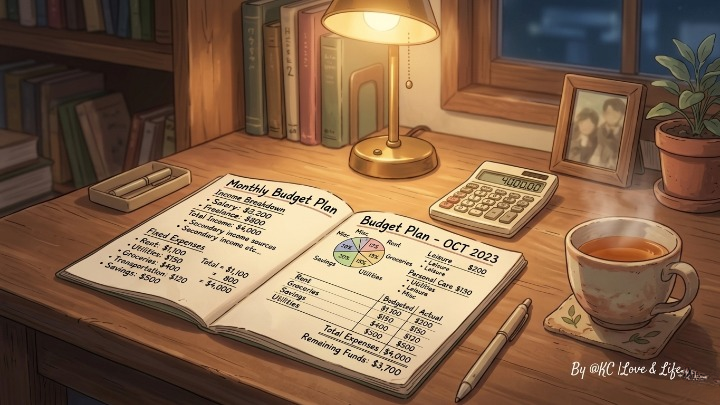

Nobody wants to be the woman who asks about money too soon.
It feels crass. Unromantic. Like you're treating a relationship as a transaction instead of a connection. So you don't ask. You wait. You tell yourself you'll figure it out as you go — and three years later you're financially entangled with someone whose relationship with money is actively working against everything you're trying to build.
Financial compatibility isn't about finding a rich man. It's about finding someone whose values, priorities, and approach to money are aligned enough with yours that you can actually build a life together without fighting about it constantly. Where you live, how you raise children, your stress levels, your sense of security — all of it is shaped by money. And if you're not aligned, those fights won't just be about money. They'll be about respect, priorities, and whether your needs matter.
Catching this early saves you years. Here's what to watch for.
When Unemployment Is — and Isn't — a Problem
Losing a job isn't a red flag. Life happens, industries shift, timing is brutal sometimes.
What is a red flag: six months or more with no job search, no plan, no urgency. The difference isn't his circumstances — it's his response to them. A man who is temporarily down but actively working to change that is completely different from a man who has decided that figuring it out is optional.
The second one isn't going through a rough patch. He's showing you a pattern. And if you stay, you will end up supporting him — indefinitely, quietly, in ways that will stop feeling like love and start feeling like a second job you never applied for.


Hidden Debt
Debt itself isn't the issue. Most adults carry some form of it, and honesty about it is one of the most straightforward green flags a man can offer you.
Hidden debt is different. Credit card balances he's never mentioned, back taxes, unpaid bills that surface months in — not because he forgot, but because he chose not to tell you. Financial dishonesty and general dishonesty travel together. If he'll manage money in the dark, the question worth asking is what else he's managing the same way.
No Direction — and No Interest in Having One
There's a difference between someone who is young and still genuinely figuring it out, and someone who is well into adulthood with no savings, no goals, no budget, and a sincere sense that it will all work itself out eventually.
The first is a phase. The second is a worldview. And if you build a life with someone who treats financial responsibility as optional, you will be the responsible one — for both of you — for as long as the relationship lasts. That's not partnership. That's carrying someone who has decided the weight isn't his to hold.
The same applies to opposite money values. You save, budget, and think before spending. He operates freely and finds your approach exhausting. Opposite values aren't automatically a dealbreaker — if both people are genuinely willing to find a middle ground. What becomes a dealbreaker is when neither will move. You will fight about money constantly, and those fights won't resolve. They'll just repeat.


When He Uses Your Money as His Default
Not the occasional forgotten wallet. The pattern — suggesting plans he knows you'll cover, contributing nothing, accepting your resources without question, reciprocity, or acknowledgment.
This isn't a rough patch or a temporary situation he's embarrassed about. It's information about how he sees the dynamic between you. A man who consistently uses your financial resources without contributing is showing you something about how he understands partnership — and what he believes he's entitled to within it.
Watch for where the monitoring sits, too. "You spent fifty dollars on that?" — from the man who just bought something twice the price he'll use once. This is financial control dressed up as concern. He wants to dictate what you do with your money while doing exactly what he likes with his. It rarely stays at the level of comments. It tends to escalate — into criticism, into demands, into a dynamic where your financial autonomy quietly disappears while his remains untouched.


He Won't Talk About It
"I don't like discussing finances." "You're being materialistic." "Why does it matter — we'll figure it out."
A man who refuses to have an honest conversation about money before building a life with you is not protecting his privacy. He's telling you something about his willingness to be a real partner. Transparency is a form of trust. Avoiding it — especially when you've asked directly and calmly — is a form of withholding it.
The conversation doesn't need to happen on a first date. But it needs to happen around three to six months in — before you're deeply attached, before finances are entangled, before leaving costs significantly more than it does now.
Ask directly: is there debt I should know about? What are your financial goals? How do you think about saving versus spending? A green flag looks like honesty, specificity, and genuine thought about the future. A red flag looks like defensiveness, vagueness, or making you feel shallow for having asked a basic adult question.


You're not being materialistic.
You're figuring out if you can actually build a life with this person.
Those are not the same thing.
This is KC — from Love & Life. 💜
If you're trying to figure out how to assess compatibility before you're too invested — understanding your own patterns and what you're actually looking for is where it starts.
→ Read the free guide: It's Not You. It's Your Brain.